Community Outreach

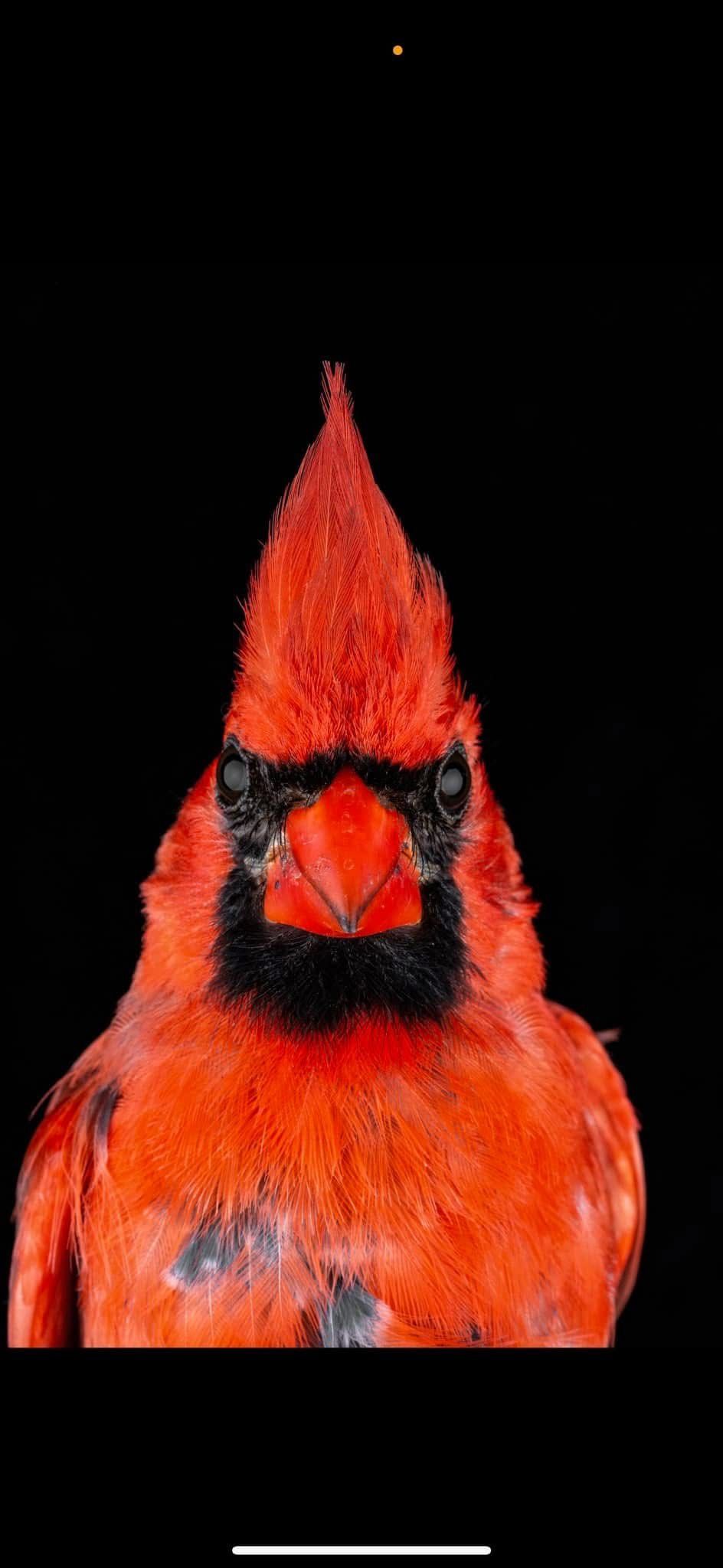
For those who pause long enough to listen, birds tell the story of our landscapes — where they thrive, where they struggle, and how deeply connected we are to the natural world around us. The Wild Bird Research Group, Inc. (WBRG) exists to hear those stories and ensure they continue for generations to come. In Western North Carolina, that mission is made possible in large part through the ongoing support of Stroll partner Little Bird Roof Company, a committed partner and sponsor of WBRG’s regional research efforts.
Founded in 2011, WBRG is a nonprofit organization dedicated to advancing scientific research and fostering a deeper appreciation for the conservation of wild birds throughout the Americas. Through long-term field studies, hands-on education, and strong community partnerships, WBRG works to better understand bird populations and the habitats they depend on in an increasingly changing world.
Little Bird Roof Company, a locally owned roofing business serving Western North Carolina, plays a meaningful role in supporting that work. As a major sponsor of WBRG’s North Carolina chapter, Little Bird Roof contributes 1% of its annual proceeds to support ongoing research and conservation initiatives, along with additional direct donations for special projects. Their partnership reflects a shared commitment to environmental stewardship and protecting the ecosystems that make this region so unique.
Today, WBRG is headquartered in central New Jersey, where seasonal research includes summer MAPS banding and fall and winter owl studies. Researchers focus on species such as the Northern Saw-whet Owl and Long-eared Owl, using radio and GPS tracking to better understand migration routes and non-breeding behavior. The data gathered helps inform conservation strategies and land-management decisions across multiple regions.
In 2018, WBRG expanded into Western North Carolina, establishing a regional chapter in the biologically rich Southern Appalachian Mountains. This expansion filled an important geographic gap in bird research and strengthened the organization’s presence in one of the most ecologically diverse areas in the country. For five years, WBRG operated a MAPS banding station at The North Carolina Arboretum, providing hands-on experience for undergraduate and graduate students. Continued partnerships — including foundational support from Little Bird Roof Company — now sustain the chapter’s long-term research goals.
One of the North Carolina chapter’s most compelling current projects centers on the Northern Saw-whet Owl, a small and elusive forest species. While most Saw-whet Owls breed across the boreal forests of Canada and the northern United States, western North Carolina is home to a rare, isolated breeding population. These owls inhabit high-elevation spruce-fir forests — one of the most endangered ecosystems in the country — separated from the species’ primary breeding range by hundreds of miles.
Very little is known about how this Southern Appalachian population moves throughout the year. Drawing on decades of experience studying forest owls, WBRG is launching a new research initiative to track breeding Saw-whet Owls using GPS transmitters and radio tags. The goal is to determine whether these owls remain year-round in their breeding habitats or migrate elsewhere, and what conservation measures are needed to protect them across seasons.
The project is currently in its preparation phase, with WBRG securing funding, permits, and specialized training. Financial support comes from research grants, conservation organizations, individual donors, and key community sponsors — including Little Bird Roof Company, whose investment helps make this research possible.
Through its continued partnership with WBRG, Little Bird Roof Company stands as a clear and consistent supporter of wild bird research in Western North Carolina, demonstrating how local businesses can play a vital role in protecting the landscapes and species that define our region.
To learn more about the great work of Wild Bird Research Group, visit: wildbirdresearch.org.